Julius Malema: Navigating Conviction and Appeal Amidst Political Turmoil
After more than seven years of legal battles, EFF leader Julius Malema’s firearm case reached sentencing in mid-April 2026. Here’s what happened, why he’s not in jail yet, and what comes next.

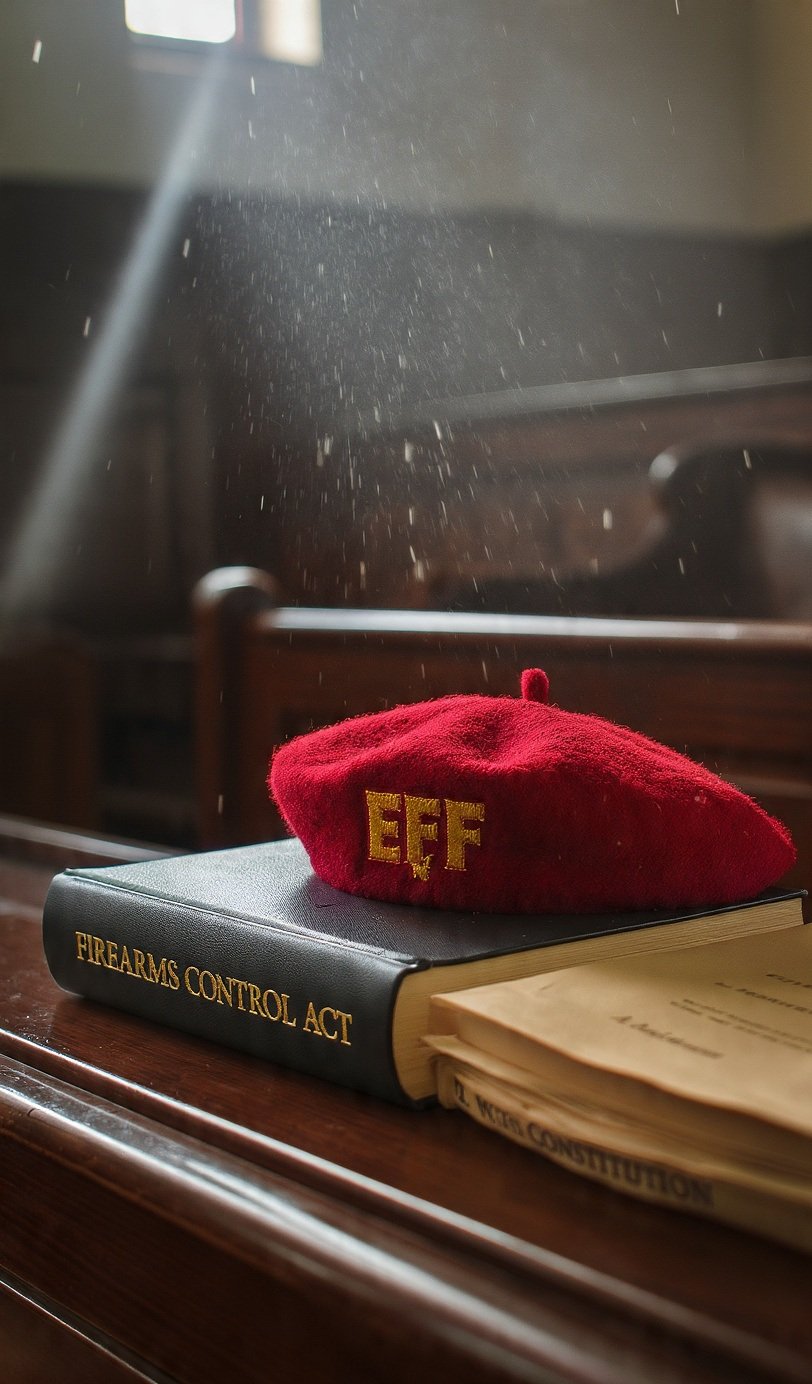
In an ongoing saga that encapsulates both the complexities of South African law and the intricacies of its political landscape, Julius Malema, the leader of the Economic Freedom Fighters (EFF), finds himself at a critical crossroads following his recent conviction on firearms-related charges. This extensive article aims to clarify the circumstances surrounding Malema's sentencing, the reason he remains free, and the political implications of his case as it advances through the appeal process.
1. What Was Malema Sentenced For?
On 1 October 2025, Julius Malema was found guilty on five counts under the Firearms Control Act—a verdict stemming from a controversial incident that occurred during the EFF's fifth anniversary rally on 28 July 2018, where video footage captured him discharging what appeared to be a rifle into the air. The specific counts included:
- Unlawful Possession of a Firearm
- Unlawful Possession of Ammunition
- Discharging a Firearm in a Built-Up Area / Public Place
- Failure to Take Reasonable Precautions
- Reckless Endangerment to Person or Property
Malema's co-accused, former bodyguard Adriaan Snyman, was acquitted, further emphasizing the weight of the conviction against the EFF leader.
2. What Sentence Did He Get?
On 16 April 2026, Magistrate Twanet Olivier sentenced Malema to five years of direct imprisonment for his firearm-related offenses. The breakdown of his sentence included:
- Count 1 (Unlawful possession of firearm): 5 years imprisonment
- Count 2 (Unlawful possession of ammunition): 2 years imprisonment
- Count 3 (Discharging firearm in public): R20,000 fine or 6 months imprisonment
- Count 4 (Failure to take precautions): R20,000 fine or 6 months imprisonment
The magistrate firmly rejected Malema's defense which claimed the shot was celebratory, instead labeling the act as pre-planned and unlawful. In a notable statement, she emphasized, “Such acts cannot be condoned by this court.”
The prosecution had sought a maximum sentence of 15 years, emphasizing that firearm offenses in crowded areas pose severe risks and that public figures should be held to especially high standards.
3. Why Is He Not in Jail?
Despite his sentencing, Malema is not currently incarcerated due to his legal team's immediate filing of an appeal against both the conviction and the sentence. In South African law, defendants appealing a conviction typically remain free until the appeal process is concluded, unless a court orders otherwise.
Malema's defense argued that imprisonment would be “disproportionate and inappropriate” given the context of a single brief incident, coupled with his previously clean record and significant political responsibilities. This strategic legal move allowed Malema to speak to supporters outside court rather than serve time behind bars.
4. What’s Next For Malema?
Status as of 22 April 2026 indicates that the appeal process is currently underway, poised to take several months to a year. The stakes are particularly high in this case; should Malema serve more than 12 months without the option of a fine, he would lose his parliamentary seat, a scenario anticipated by his critics and supporters alike.
The EFF's mobilization has been significant, with thousands of supporters rallying outside the court during the sentencing, viewing the charges as politically motivated. The party has threatened mass protests should Malema be imprisoned, adding another layer of complexity to the situation.
Meanwhile, the National Prosecuting Authority (NPA) remains resolute in its stance, reinforcing its commitment to uphold the rule of law without bias, as stated by prosecutor Joel Cesar, who argued for a substantial prison term during sentencing.
5. Key Arguments from Both Sides
The arguments surrounding Malema's case are as polarized as the political landscape itself:
- Defense:
- Malema's first offense and his previously "blameless life."
- The fact that no injuries resulted from the incident.
- The seven-plus year delay since the event is a mitigating factor.
- Imprisonment carries broader social and political consequences given Malema's role.
- The defense has proposed alternatives such as a fine, suspended sentence, or community service.
- State:
- The act was deliberate and pre-planned, bearing in mind the thousands present.
- Public figures have a heightened responsibility to adhere to laws.
- Leniency would undermine the seriousness of firearm laws and public safety.
Julius Malema's case epitomizes the intersection of law, politics, and public life in South Africa. As the appeal process unfolds, the outcome of this legal battle will have significant implications not only for Malema personally but also for the EFF and South Africa's political landscape at large. The question of whether he will face jail time or opt for a fine remains in the hands of the appellate courts, framing a poignant chapter in this ongoing narrative.
Share
What's Your Reaction?
 Like
0
Like
0
 Dislike
0
Dislike
0
 Love
0
Love
0
 Funny
0
Funny
0
 Angry
0
Angry
0
 Sad
0
Sad
0
 Wow
0
Wow
0